
Persistent back pain doesn’t just interrupt your day—it chips away at your quality of life. Many struggle through discomfort without understanding what truly drives their lumbar pain or which therapies deliver lasting relief. This guide breaks down common causes and explains how tailored manual therapy and physiotherapy can restore your mobility and ease your pain. Ready to take the next step? Learn more about treating chronic back pain.
Understanding Persistent Back Pain
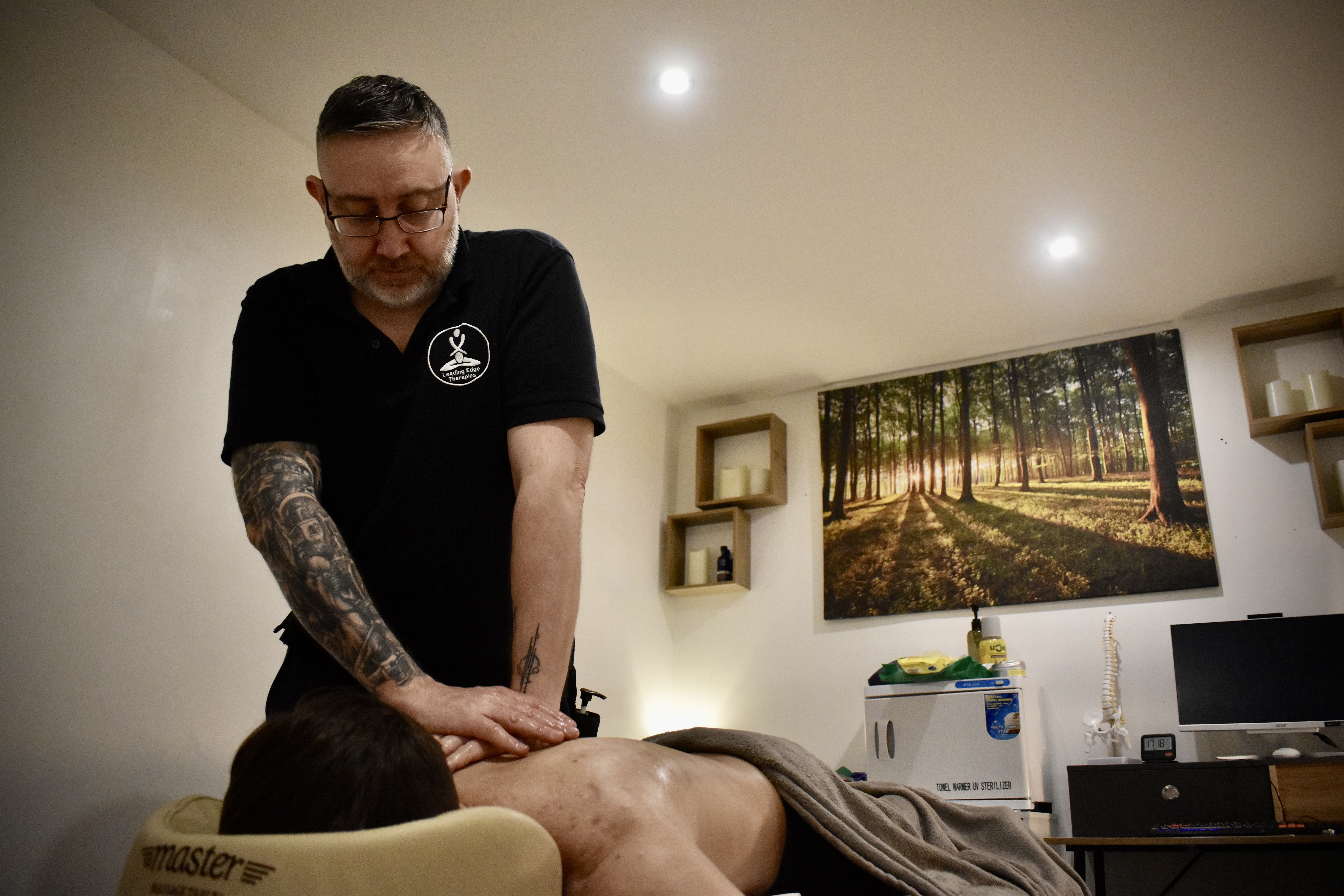
Living with persistent back pain can feel like an uphill battle, but knowing its causes can make a big difference. Let’s explore why your back might be aching and how you can tackle it head-on.
Common Causes of Back Pain
Back pain can stem from lots of different factors. For many, it might be due to muscle strain or poor posture. Sometimes, it’s linked to medical conditions like arthritis or disc problems. Did you know that sitting for long hours or lifting improperly can also be culprits? According to a Cleveland Clinic resource, over 80% of people experience back pain at some point, which shows just how common it is. By understanding these root causes, you can start to make changes that help ease your pain.
Identifying Lumbar Pain Triggers
Identifying what triggers your lumbar pain is crucial. Do you feel twinges when you sit too long? Or perhaps your back flares up after exercise? Keeping a pain diary can help you spot patterns. Take note of when and where your pain starts, what activities you were doing, and how long it lasts. This will give you valuable insights into your pain patterns.
Posture Correction for Relief
Correcting your posture can be a game-changer for your back. Many people don’t realise that simply adjusting how you sit and stand can alleviate pain. Try sitting up straight, shoulders relaxed, and feet flat on the ground. Regular breaks from sitting can also help. Investing in an ergonomic chair or desk setup is another way to support your spine. Are you interested in more posture tips? There’s plenty of advice here.
Effective Therapies for Pain Management

Once you grasp what might be causing your pain, it’s time to dive into therapies that can help. Let’s explore some effective treatment options to get you on the path to recovery.
Evidence-Based Manual Therapy
Manual therapy involves hands-on techniques to ease your pain. It includes methods like spinal mobilisation and massage. These techniques work by improving your body’s natural movement and reducing pain. They are particularly beneficial if you have persistent back pain or conditions like sciatica. Most people find that manual therapy, combined with other treatments, delivers the best results.
Benefits of Myofascial Release
Myofascial release targets the fascia, a web of connective tissue around muscles. This therapy helps relieve tightness and improve mobility. Benefits include reduced pain and improved function. If you’re dealing with chronic back pain, myofascial release can be very effective. For more on how myofascial release works, check out this resource.
Role of Trigger Point Therapy
Trigger point therapy focuses on releasing tight areas in your muscles. These ‘knots’ can cause pain in other parts of your body. By applying pressure to trigger points, pain is reduced, and mobility improves. This therapy is often part of a comprehensive pain management plan. Many find it offers relief where other treatments have failed.
Personalised Rehabilitation and Assessment
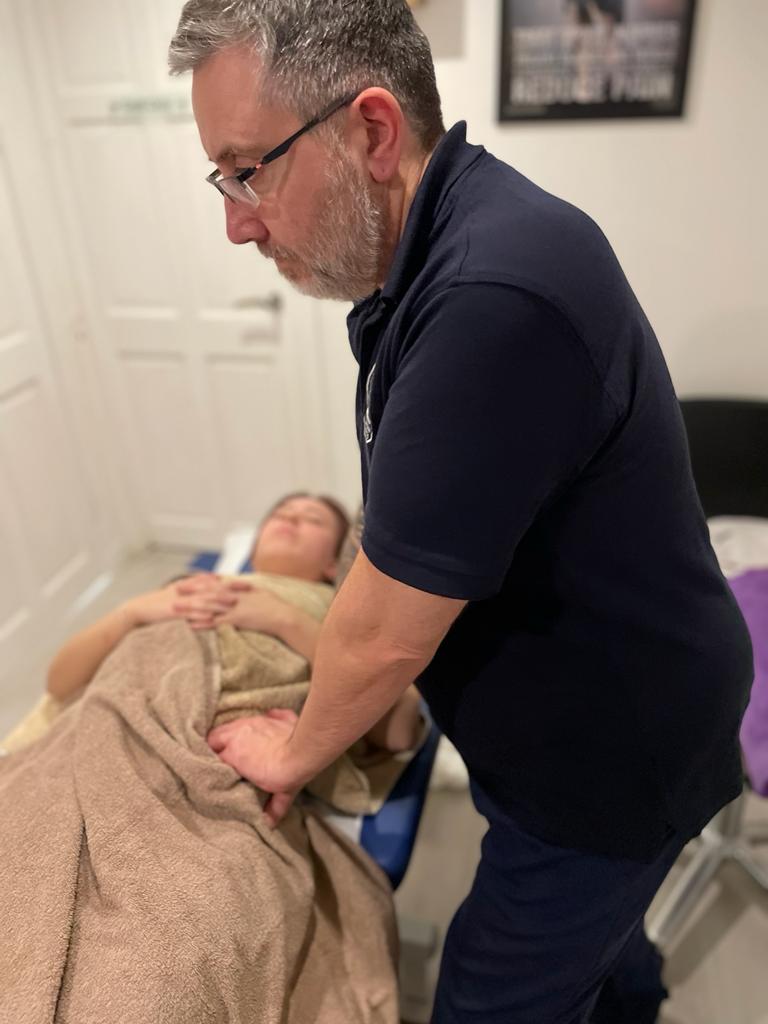
One-size-fits-all doesn’t work for back pain. Tailored rehabilitation offers targeted solutions. Let’s explore how personalised care can guide you toward relief.
Comprehensive Movement Assessment
A comprehensive movement assessment is the first step in personalised care. This assessment examines how your body moves, identifying any dysfunctions or imbalances. Understanding these aspects helps create a tailored treatment plan, focusing on your unique needs. It’s a crucial step to ensure effective therapy solutions.
Tailored Rehabilitation Exercises
Once your movement patterns are understood, specific exercises can be prescribed. These exercises aim to strengthen weak areas and improve flexibility. With guidance from a HCPC registered physiotherapist, you can safely perform these exercises for maximum benefit. Tailored exercises empower you to take charge of your recovery.
Booking Your Back Pain Assessment
Taking action is the final and most important step. Booking a back pain assessment at a clinic like Leading Edge Therapies in Bathgate can set you on the right path. During your assessment, you’ll receive a detailed evaluation and a customised care plan designed just for you. Why wait any longer? The sooner you start, the sooner you’ll find relief.