Kinesiology Taping in West Lothian - Sports, Shoulder, Knee & Joint Pain
Relieve pain, improve movement, and support recovery naturally with kinesiology taping at Leading Edge Therapies, your trusted physiotherapy and massage clinic in Bathgate, West Lothian. Whether you’re struggling with shoulder discomfort, knee strain, or general joint pain, kinesiology taping can provide gentle support while allowing full, natural movement.
What Is Kinesiology Taping?
Kinesiology taping uses a flexible, breathable tape applied to the skin to support muscles and joints without restricting movement.
Unlike rigid sports strapping, kinesiology tape is designed to stretch with your body, enhancing your recovery and performance.
The technique aims to:
Lift the skin and fascia, helping reduce pressure and irritation on sensitive tissues
Improve circulation and lymphatic flow, promoting faster recovery and reducing swelling
Enhance proprioception, your body’s awareness of joint and muscle position, to support better movement patterns
Research suggests that kinesiology taping can assist in reducing discomfort and improving function when used alongside manual therapy and exercise.
(Healthline, 2024) | (HSS.edu, 2023)
Kinesiology Sports Taping
Athletes and active individuals across West Lothian use sports kinesiology taping to enhance performance, prevent injury, and aid faster recovery between training sessions.
Unlike traditional sports tape, kinesiology tape doesn’t immobilise — it works with your body, supporting movement while maintaining flexibility and comfort.
At Leading Edge Therapies, our sports kinesiology taping techniques help:
Support muscles and tendons under high load, reducing fatigue and strain during activity
Encourage optimal movement patterns, improving coordination and biomechanics
Accelerate recovery after intense training or matches by improving circulation and reducing swelling
Reduce the risk of re-injury, allowing athletes to stay active and confident
Whether you’re a runner, cyclist, footballer, or gym-goer, kinesiology taping can help stabilise key joints and support muscle performance without limiting your range of motion.
Our experienced therapists integrate sports taping into your personalised rehabilitation or pre-event preparation, ensuring your tape application matches your sport’s specific demands.
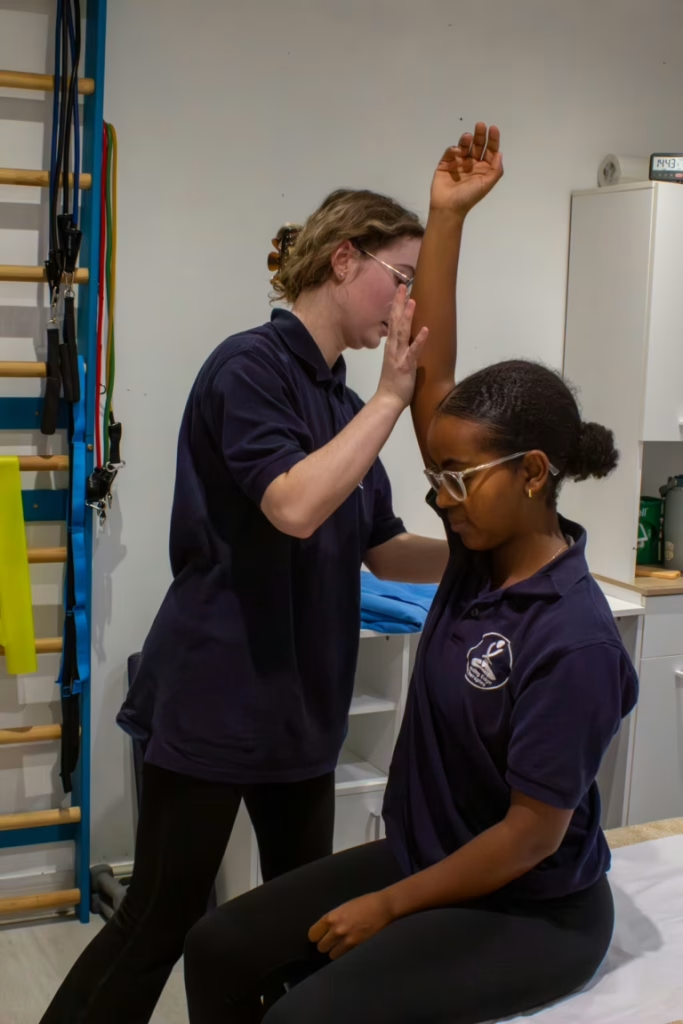
Kinesiology Shoulder Pain Taping
Shoulder pain often stems from overuse, muscle imbalance, tendon irritation, or postural stress.
When applied correctly, kinesiology tape can:
Support weak or fatigued muscles around the shoulder joint
Reduce strain on tendons and soft tissue
Encourage correct shoulder alignment and activation of stabilising muscles
A 2020 review by the Chartered Society of Physiotherapy found that kinesiology taping, when used in conjunction with physiotherapy, can significantly improve pain and range of motion in shoulder dysfunctions.
(CSP Journal, 2020)
At Leading Edge Therapies, we use taping as part of a tailored treatment plan to help you move comfortably and recover faster from shoulder injuries or chronic tightness.
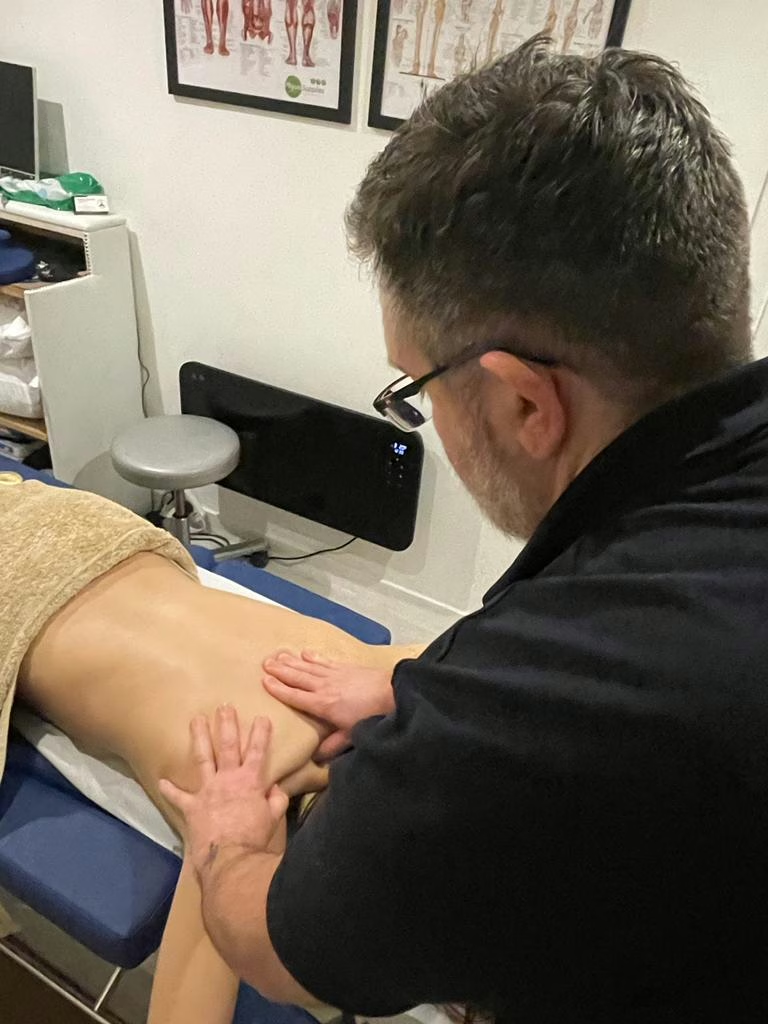
How Kinesiology Taping Helps Knee & Joint Pain
Knee and joint pain can result from injury, arthritis, or general wear and tear. Kinesiology taping provides a gentle stabilising effect, supporting muscles and joints during daily activity or exercise.
Benefits include:
Enhanced joint stability while maintaining mobility
Reduced swelling and inflammation through improved lymphatic flow
Decreased pain perception via improved sensory feedback
Better movement patterns, reducing future strain on the joint
At our Bathgate clinic, we often use taping to support knees affected by overuse, patellar tracking issues, or early arthritis—always in combination with strengthening, stretching, and manual therapy.

Why Choose Leading Edge Therapies in West Lothian
Located in Bathgate, we proudly serve West Lothian, including Livingston, Linlithgow, and Armadale. Our team of qualified therapists and physiotherapists take a holistic, evidence-based approach to pain relief and rehabilitation.
We combine:
Clinical massage and soft tissue therapy
Physiotherapy and sports injury treatment
Functional movement re-education
Kinesiology taping as part of comprehensive care
We focus on addressing the root cause of your pain, not just managing symptoms—helping you move better, feel stronger, and return to the activities you love.
(Leading Edge Therapies, 2025)
Book Your Appointment in Bathgate Today
If shoulder, knee or joint pain is holding you back, book your kinesiology taping session at Leading Edge Therapies in Bathgate today.
We’ll assess your movement, identify underlying issues, and design a treatment plan that supports lasting recovery.