
If you're like most Bathgate office workers, you probably spend at least 8 hours a day hunched over a desk, staring at a computer screen. While this might feel normal, your body is silently bearing the burden of poor posture habits that could lead to chronic pain, reduced productivity, and long-term musculoskeletal problems.
At Leading Edge Therapies, we see the effects of desk-related postural issues every day. The good news? These problems are entirely preventable and treatable with the right approach. Let's explore the seven most common mistakes we encounter and how our physio-led treatments can help you move better, feel stronger, and perform at your best.
Mistake 1: Monitor and Keyboard Misalignment
The Problem: When your monitor isn't directly in line with your keyboard, your spinal column becomes misaligned. This forces your head to twist to focus on the screen, overworking your neck muscles and creating pain that radiates through your shoulders and upper back.
Your head needs to be directly in line with your pelvis to maintain proper spinal balance. Additionally, if your monitor sits too high or too low, the constant tilting motion strains the same muscle groups that are already working overtime.
How Physiotherapy Helps: Our physiotherapists conduct comprehensive postural assessments to identify your specific alignment issues. Through targeted manual therapy, we release tension in overworked neck and shoulder muscles, while prescribing corrective exercises like chin tucks and neck stretches. We also provide ergonomic guidance to help you position your monitor 20-30 inches away at eye level, creating an environment where good posture becomes natural.
Mistake 2: Keyboard and Mouse Positioned Too High
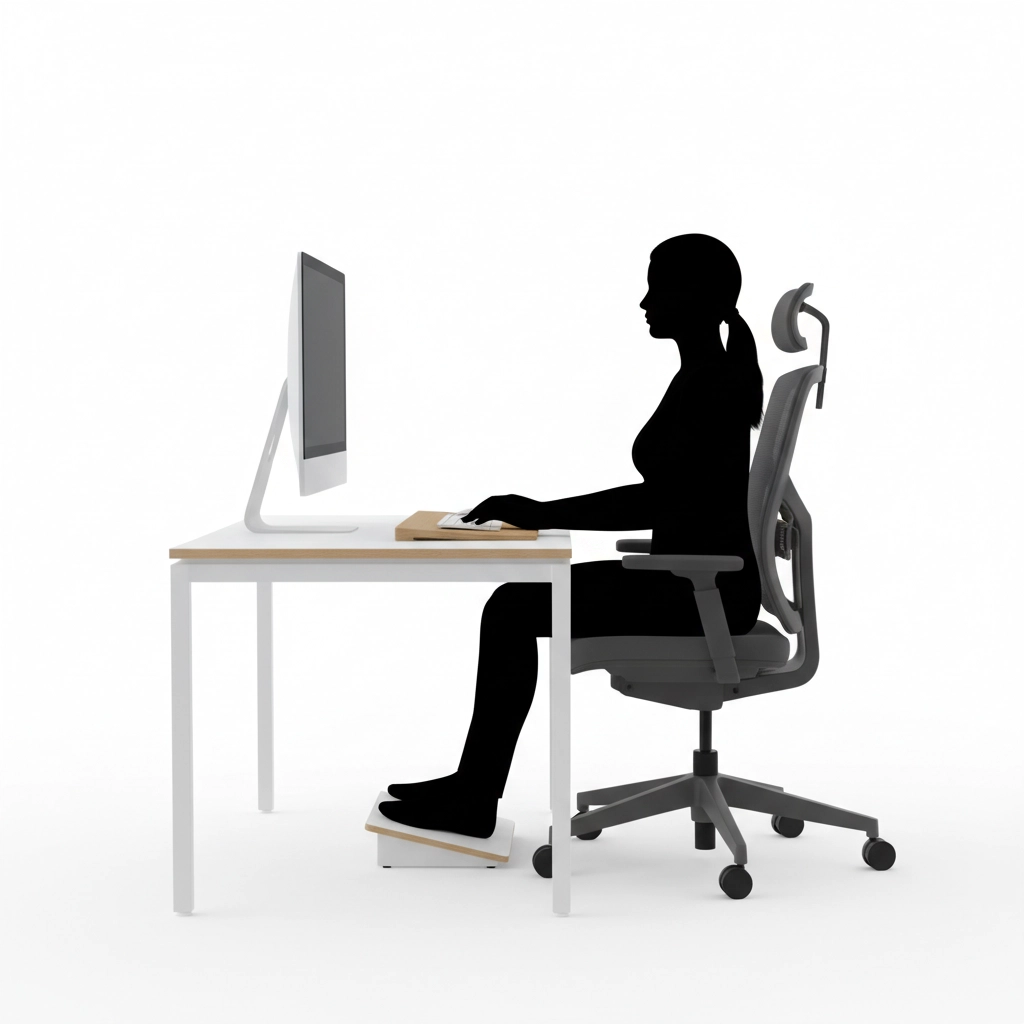
The Problem: When your keyboard and mouse sit too high, you're forced to scrunch your shoulders upward and flex your elbows above 90 degrees. This unnatural position makes your shoulder and arm muscles work much harder, leading to rapid fatigue and pain that can extend from your neck down to your wrists.
How Physiotherapy Helps: We assess your entire workstation setup and provide specific recommendations for proper keyboard and mouse positioning. Your shoulders should rest comfortably at your sides with your wrists gently on the work surface, maintaining an elbow bend slightly below 90 degrees. Our treatment combines soft tissue massage to address existing tension with strengthening exercises for your postural muscles, ensuring you can maintain proper positioning throughout your workday.
Mistake 3: Excessive Sitting Without Movement Breaks
The Problem: Prolonged sitting makes your spine less effective, placing increased demand on your back and neck muscles. A seated position requires highly engaged core muscles, which many people neglect. This leads to a cascade of issues: reduced blood circulation, particularly in your legs, and strain on your hamstring and quadriceps muscles.
How Physiotherapy Helps: We don't just treat the symptoms: we address the root cause. Our physiotherapists create personalised exercise programs that strengthen your core muscles, making it easier to maintain proper posture even during long sitting periods. We also teach you simple movement breaks and stretches you can perform every 30-60 minutes to reset your posture and improve circulation.

Mistake 4: Weak Postural Support Muscles
The Problem: Many office workers have underdeveloped core, glute, and mid-back muscles: the very muscles essential for supporting upright posture. Without adequate strength in these key areas, your body cannot maintain proper alignment, leading to compensatory patterns that create pain and dysfunction.
How Physiotherapy Helps: Our approach focuses on building a strong foundation. We design targeted strengthening programs that specifically address your weak postural muscles. Through progressive exercises and hands-on guidance, we help you develop the strength needed to support your spine naturally. This isn't about perfect posture: it's about creating the right environment for your body to thrive.
Mistake 5: Chronically Tight and Overworked Muscles
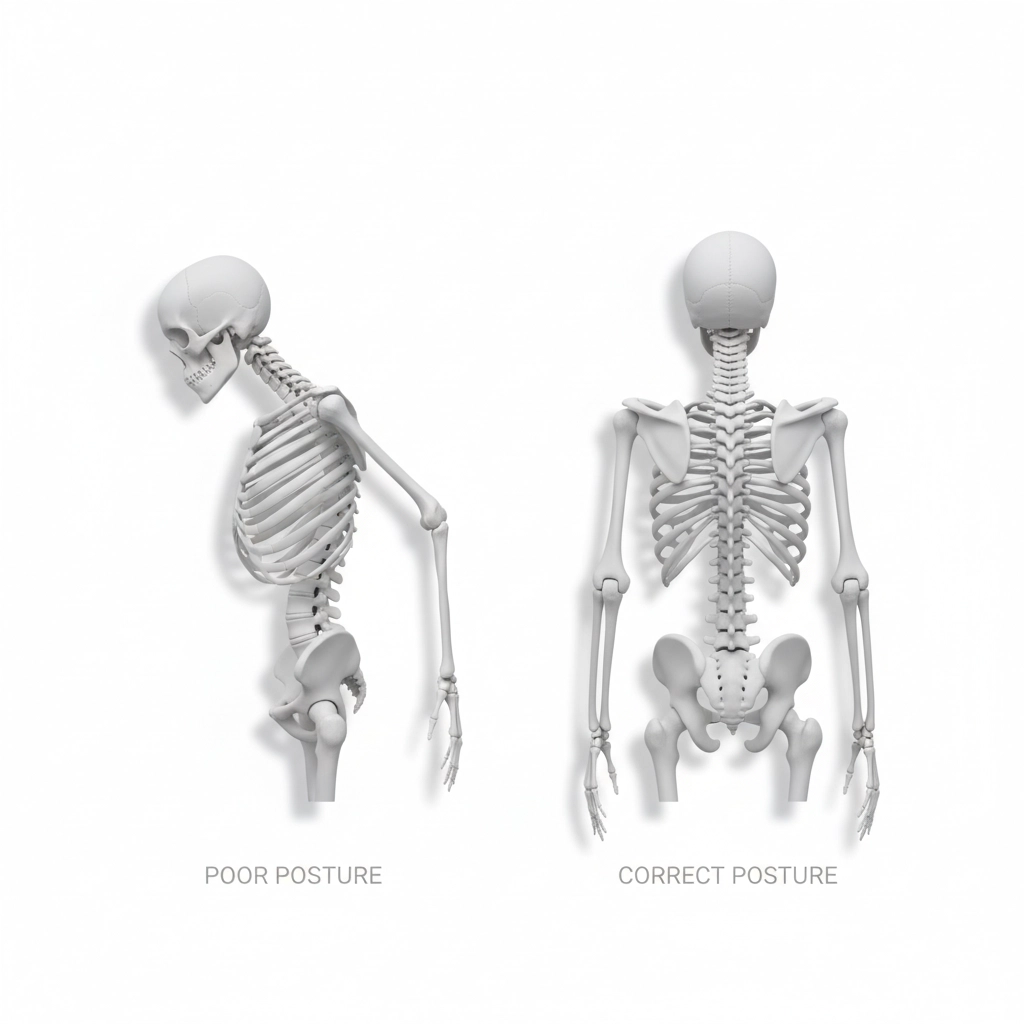
The Problem: Prolonged sitting causes certain muscle groups: particularly your chest, hip flexors, and upper trapezius muscles: to become chronically tight and shortened. These tight muscles pull your body out of alignment and restrict natural movement patterns, contributing to the cycle of poor posture and discomfort.
How Physiotherapy Helps: We use proven manual therapy techniques, including joint mobilisation and targeted soft tissue massage, to release tension in overworked muscles. Our treatment addresses immediate discomfort while preparing your body for corrective exercises. We prescribe specific stretches for tight chest muscles, hip flexors, and upper trapezius muscles, helping restore your natural range of motion and movement patterns.
Mistake 6: Neglecting Regular Postural Resets
The Problem: Failing to take regular movement breaks allows muscles to remain in static positions for too long, leading to stiffness and reduced circulation. Without periodic posture resets like shoulder rolls and chin tucks, muscle imbalances develop and worsen over time.
How Physiotherapy Helps: We teach you simple but effective postural reset techniques that you can easily incorporate into your workday. These aren't just exercises: they're movement strategies designed to counteract the effects of prolonged sitting. Our physiotherapists show you exactly when and how to perform these resets for maximum benefit, ensuring you maintain better posture throughout your entire workday.
Mistake 7: Inadequate Ergonomic Setup
The Problem: Using chairs without proper lumbar support or desks at improper heights forces your body into unnatural positions. Even with the best intentions, inadequate ergonomic equipment makes it nearly impossible to maintain healthy posture throughout the day.
How Physiotherapy Helps: Our comprehensive approach includes detailed ergonomic education tailored to your specific workspace. We provide practical recommendations for desk setup, chair height adjustment, and equipment positioning that support your individual needs. This guidance helps create an environment where maintaining good posture becomes effortless rather than forced.
Why Choose Leading Edge Therapies for Your Postural Health?
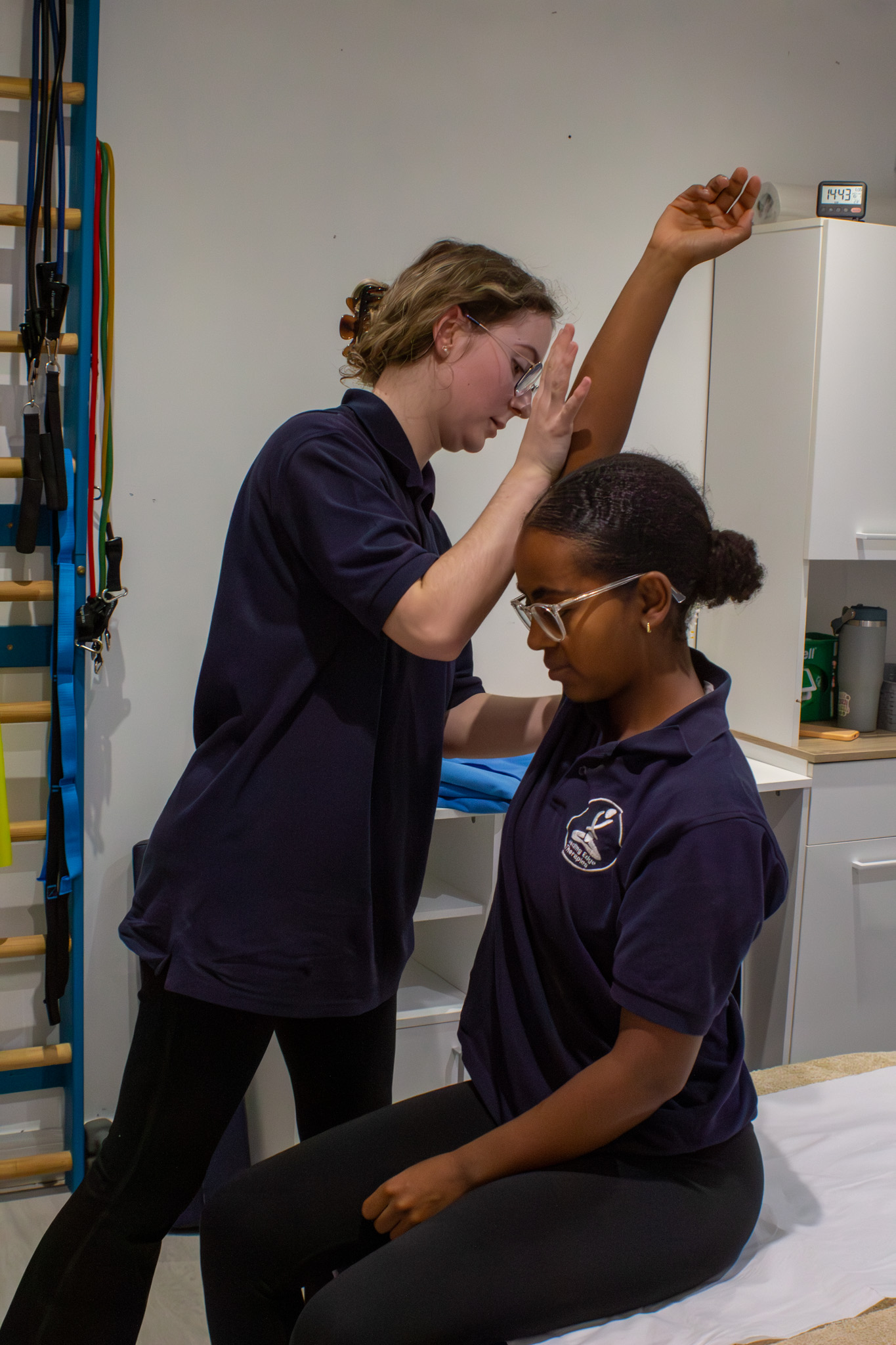
At Leading Edge Therapies, we understand that every office worker faces unique challenges. Our physio-led approach means you receive expert care from qualified professionals who stay current with the latest techniques and research. We don't just treat symptoms: we identify and address the underlying causes of your postural problems.
Our personalised treatment plans combine hands-on therapy with practical education, ensuring you have the tools and knowledge to maintain improvements long after your treatment ends. We're passionate about helping you recover, recharge, and embrace your edge, whether that's pain-free workdays or improved overall wellness.
Take Action for Your Postural Health
Chronic pain, stiffness, or frequent headaches don't have to be part of your daily routine. When postural problems start affecting your quality of life, professional intervention can make a significant difference in both immediate relief and long-term prevention.
Don't let poor posture hold you back from feeling your best. Our team is here to support you every step of the way, from initial assessment through ongoing wellness maintenance. Contact Leading Edge Therapies today to schedule your comprehensive postural assessment and discover how our physio-led approach can help you move better, work more comfortably, and live with greater confidence.
Your journey to better posture and pain-free workdays starts with a single phone call. Let us help you create lasting change that supports both your immediate comfort and long-term health goals.