Knee Pain Help in West Lothian – Get Expert Physiotherapy and Manual Therapy at Leading Edge Therapies
Looking for knee pain help in West Lothian? Leading Edge Therapies in Bathgate provides expert physiotherapy and hands-on treatments to reduce pain, restore movement, and prevent future injury.
Knee Pain in West Lothian
Knee pain is one of the most common musculoskeletal complaints (along with other musculoskeletal (MSK) component among adults in West Lothian.) Whether it’s caused by sports injury, overuse, arthritis, or simply wear and tear, ongoing knee discomfort can seriously impact daily life — from walking to work, climbing stairs, or enjoying local trails like Beecraigs or Almondell Country Park.
Ignoring knee pain can lead to further mobility issues, hip or back discomfort, and even joint degeneration. The good news? With the right assessment and treatment from a local physiotherapist, you can recover effectively and return to an active lifestyle.
Why Choose Leading Edge Therapies for Knee Pain Help
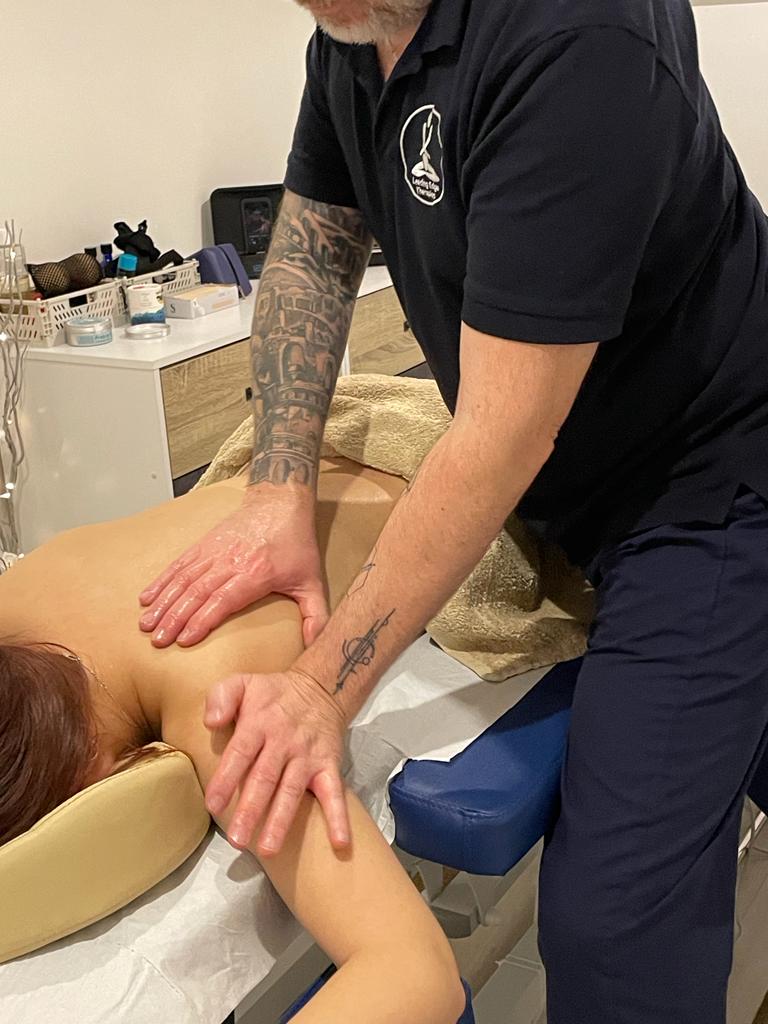
Based in Bathgate, West Lothian, Leading Edge Therapies specialises in physiotherapy and clinical massage for conditions like knee pain, joint stiffness, and muscular imbalance. Their expert therapists take a hands-on, evidence-based approach that targets both symptoms and the underlying cause.
Here’s what makes their knee pain treatment stand out:
Personalised assessment: Every client receives a detailed movement and joint evaluation to understand what’s driving the pain.
Manual therapy & massage: Techniques such as joint mobilisation, trigger-point therapy, and soft-tissue release reduce tension and improve joint alignment.
Targeted rehabilitation: Individualised exercise plans strengthen key muscles around the knee and hips for lasting relief.
Friendly, local service: Conveniently located at 56B North Bridge Street, Bathgate EH48 4PP, the clinic is easily accessible from Livingston, Linlithgow, Armadale, and Whitburn.
Understanding the Causes of Knee Pain
At Leading Edge Therapies, the team often sees a variety of knee pain causes, including:
Overuse injuries: Common in runners, cyclists, and gym users.
Osteoarthritis: Wear-and-tear on the joint cartilage.
Ligament or meniscus strain: Often from twisting or sudden movement.
Muscle imbalance or poor movement patterns: When surrounding muscles (like quads, hamstrings, or glutes) don’t work together efficiently.
A 2023 NHS information guide recommends exercise and movement as essential for managing non-injury-related knee pain, alongside physiotherapy and weight control (ELHT NHS, 2023). This aligns perfectly with Leading Edge Therapies’ holistic, movement-focused approach.
Why West Lothian Residents Choose Leading Edge Therapies for Knee Pain Help
Based in Bathgate, Leading Edge Therapies services residents across West Lothian and nearby towns. They are a physiotherapy- and manual therapy-led clinic, offering tailored plans for MSK (musculoskeletal) conditions, including knee pain.
Here’s why they stand out:
Personalised assessment & treatment: They emphasise identifying the root cause of pain (movement screening, manual tests) rather than just symptoms.
Hands-on manual therapy combined with exercise: Techniques such as joint mobilisation, trigger-point therapy, manual massage of soft tissue and therapeutic exercise are part of the plan.
Convenient & local: Their clinic is at 56b North Bridge Street, Bathgate EH48 4PP. bathgate.cylex-uk.co.uk+1
Range of applicable knee conditions: On their physiotherapy page they list “knee pain” among the conditions they treat. leadingedgetherapies.co.uk+1
For someone in West Lothian experiencing knee discomfort, having a specialist local clinic is a major advantage — fewer referrals, more targeted care, less waiting and travel.

How We Approach Knee Pain at the Clinic
Here’s how you might work through your knee pain journey at Leading Edge Therapies:
Initial assessment – The therapist will analyse your knee: what causes pain, movement patterns, muscle strength around the hip/knee/ankle, joint mobility, potentially gait or posture.
Personalised treatment plan – Rather than a generic exercise sheet, you’ll get a plan tailored to your knee, activity level and goals (e.g., back to walking, sport, daily tasks).
Manual therapy & soft-tissue work – If there’s tightness, scar tissue, joint restrictions or muscle imbalances around the knee, interventions such as myofascial release, trigger points or joint mobilisation will be applied.
Strengthening and mobility exercises – These are critical. To support the knee, areas like gluteal muscles, hamstrings, calf and hip all matter (as noted in underlying research on knee injury prevention). leadingedgetherapies.co.uk
Progress monitoring & education – You’ll be educated on how to maintain the improvements, prevent re-injury, and gradually restore full function, rather than relying solely on passive treatments.
Long-term maintenance – Even once the acute pain is better, maintaining muscle balance and joint health stops recurrence.
Knee Pain Help in West Lothian — Make the Move
If your knee pain is stopping you from doing what you love in West Lothian — be that walking in the countryside, playing with the kids, sport or simply climbing stairs without discomfort — don’t wait. At Leading Edge Therapies, you get a local, expert team who understand knee pain and the regional context (Bathgate & West Lothian).
Book an appointment, get a proper assessment and start a journey toward moving better, feeling stronger and living more freely.
Final Thoughts
Knee pain doesn’t have to define your day. With the right support and care right here in West Lothian, you can reclaim mobility and confidence. The bespoke approach at Leading Edge Therapies means you’re treated as an individual — not just a knee pain case.
Take action now — reach out, get assessed, and start reducing your knee pain for good.
References
Leading Edge Therapies – Clinical massage & physiotherapy services in West Lothian. leadingedgetherapies.co.uk+1
Physiotherapy Bathgate & West Lothian – Including knee pain. leadingedgetherapies.co.uk+1
Patient information on knee pain: exercise, weight control, heat/cold therapy. East Lancashire Hospitals NHS Trust